


Reaching the subterranean Basilica Cistern from Sirkeci without waiting in long ticket queues requires purchasing digital entrance tickets online prior to your arrival, scheduling your entry for early morning or late afternoon off-peak hours, and following a direct seven-minute uphill walking route via Alemdar Street.
Online Ticket Reservation and Off-Peak Arrival Times
Booking your entry ticket online through official ticketing platforms prior to your visit is the most effective strategy to skip the standard ticket counter line at the entrance gate. The ticket line along Yerebatan Street frequently extends around the block during midday hours, whereas travelers with pre-booked digital tickets enter through a dedicated online queue line that moves smoothly.
Arriving during off-peak windows makes a substantial difference in your overall experience inside the subterranean space. Peak visitor hours run from 11:00 to 15:00 when major tour groups arrive in the Historic Peninsula. Planning your visit right at opening time around 09:00 or after 17:00 allows you to walk along the raised footbridges with fewer crowds around you.
Ticket policies and entry procedures can change seasonally, so checking official channels before setting out ensures you have the most up-to-date entry rules. While museum cards or historic site passes apply to several national sites, third-party attractions and specific ancient structures may require separate ticketing. Verifying your pass validity in advance prevents unexpected delays at the gate.
A Seven-Minute Walk from Ebusuud Street to the Entrance
Walking south from Ebusuud Street up Alemdar Street past the Gulhane tram stop brings you directly to the glass entrance building on Yerebatan Street in approximately seven minutes. The route covers roughly 500 meters along a moderate uphill slope lined with stone paving and active streetcars.
To navigate the path step by step, begin at Ebusuud Street where Yasmak Sultan Hotel stands at Number 12. Walk towards Alemdar Street and turn left, following the gentle uphill incline alongside the historic stone perimeter wall of Gulhane Park. Continue past the Gulhane tram station on your right and proceed toward Sultanahmet Square. Once you reach the top of the street near the corner of Hagia Sophia, turn right onto Yerebatan Street. The modern glass entrance booth of the sunken reservoir sits approximately fifty meters down the street on your left.
Staying near Sirkeci puts you within convenient walking distance of major historical landmarks without needing taxi transport through heavy traffic. After a day spent walking across cobblestone streets, resting in well-appointed Deluxe Rooms provides a comfortable base close to the city’s key historical monuments. The Yasmak Sultan Hotel team recommends wearing sturdy footwear, as the stone footpaths surrounding Sultanahmet Square can be uneven.
| Historical Landmark | Distance from Sirkeci | Recommended Visit Time | Key Feature |
|---|---|---|---|
| Basilica Cistern | 7-minute walk (500m) | 09:00 – 10:00 or after 17:00 | 336 marble columns & Medusa bases |
| Hagia Sophia | 8-minute walk (600m) | Early morning or late afternoon | Sixth-century Byzantine dome & mosaics |
| Topkapi Palace | 10-minute walk (750m) | At opening time | Ottoman imperial courts & treasury |
| Spice Bazaar | 10-minute walk downhill | Late morning or mid-afternoon | Historic spice stalls & local foods |
Key Architectural Highlights Inside the Sixth-Century Reservoir
The key architectural features inside the sixth-century reservoir include 336 marble columns arranged in twelve rows, two carved Medusa head bases inverted at the northwest corner, and the intricately decorated Weeping Column. Emperor Justinian I ordered the construction of this water storage facility in 532 AD to serve the Great Palace of Constantinople and surrounding municipal buildings.
The reservoir spans roughly 138 meters in length and 65 meters in width, capable of holding up to 80,000 cubic meters of water. Most of the Ionic and Corinthian columns supporting the vaulted brick ceiling were salvaged from older Roman structures across Asia Minor. As you walk along the raised timber boardwalks, soft ambient lighting shifts across the shallow water, highlighting the craftsmanship of the ancient brick arches overhead.
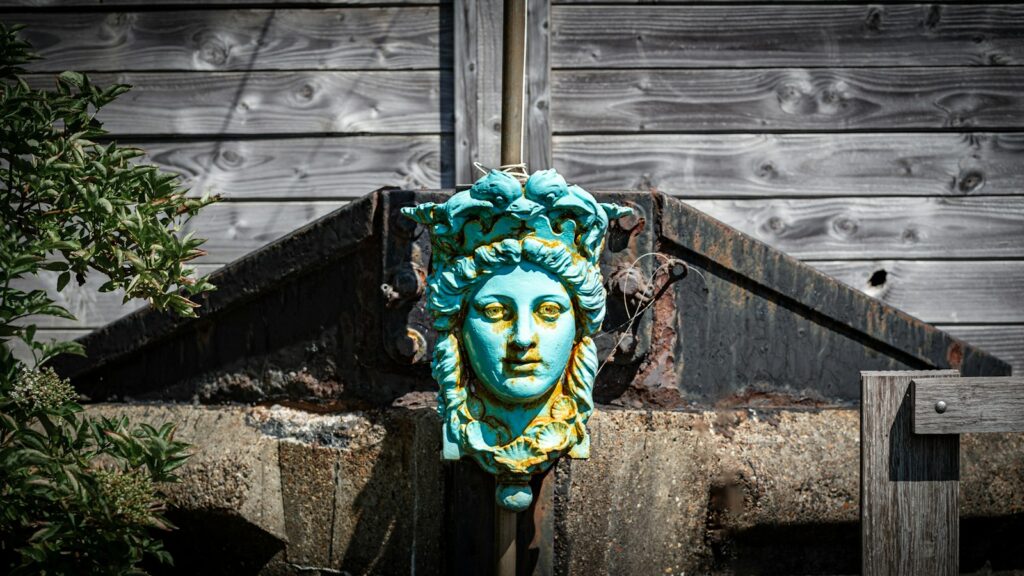
The two Medusa head bases located at the far northwestern edge of the structure remain the most famous sculptural elements inside. One head is positioned completely upside down, while the other rests on its side. Historians view these carvings as classic examples of Roman architectural reuse, where large decorative stone blocks from pagan temples were repurposed as functional column foundations without regard for their original visual orientation. Nearby, the Weeping Column features carved peacock-eye patterns and tear-drop shapes along its trunk, perpetually damp from moisture trickling through the masonry structure.
Practical Guidelines for Interior Temperature and Navigation
Dressing in light layers and wearing shoes with non-slip rubber soles ensures a comfortable visit inside the subterranean structure. The subterranean chamber maintains a cool temperature around 12 to 15 degrees Celsius year-round, accompanied by high ambient humidity and damp air draft from the underground water channels.
Modern elevated walkways run throughout the entire hall, allowing visitors to view the structural columns from above the water line. The wooden walkways feature low guardrails and subtle foot lighting to preserve the atmospheric ambiance, so watching your step while taking photographs is essential. Expect damp conditions along certain sections of the walkway where water condensation drips from the vaulted ceiling.
Tripods, professional lighting rigs, and flash photography are restricted inside to maintain safety and protect the artwork installations. Handheld cameras and mobile phones are permitted for standard photography. Allowing 45 to 60 minutes for your stroll through the chamber gives you ample time to observe the lighting installations, read the informational plaques, and complete the full circular pathway.
Rooftop Dining at Olive Anatolian Restaurant After Your Tour
Returning down the hill toward Sirkeci brings you to Olive Anatolian Restaurant, where you can reflect on your underground exploration while enjoying traditional regional cuisine. Positioned on the top floor of the hotel property on Ebusuud Street, the dining room offers glass windows overlooking Hagia Sophia and the Bosphorus Strait.
The menu highlights authentic culinary traditions from across Anatolia, prepared with regional olive oils, fresh meats, and local vegetables. Guests seeking plant-based dining can select from a dedicated vegan and vegetarian menu featuring slow-cooked lentils, stuffed vine leaves, roasted eggplant puree, and seasonal vegetable stews. If you wish to learn more about traditional culinary methods, oliverestaurant.com provides insights into seasonal ingredients and regional Anatolian recipes.
Ending your historical walking tour on a high rooftop terrace allows you to transition comfortably from the dimly lit underground reservoir to an open view of the Istanbul skyline. Whether you stop by for lunch after an early morning tour or reserve a table for dinner as the sun sets over the Old City, the convenient location near the cistern makes it a seamless post-sightseeing destination.
Planning your historic peninsula itinerary around short walking routes and advance digital tickets lets you experience ancient Byzantine engineering with ease. From the cool underground column halls of the reservoir to the rooftop dining rooms of Sirkeci, every step through this historic neighborhood connects you directly with the living history of Istanbul.
Frequently Asked Questions
How far is the Basilica Cistern from Sirkeci?
The Basilica Cistern is roughly 500 meters south of Sirkeci. Walking uphill along Alemdar Street toward Sultanahmet Square takes approximately seven minutes from Ebusuud Street.
What is the best time of day to visit the Basilica Cistern?
The best time to visit is during off-peak hours between 09:00 and 10:00 or after 17:00. Arriving during these windows helps you avoid the busiest tour group crowds.
Should I purchase Basilica Cistern tickets in advance online?
Purchasing digital entry tickets online prior to your arrival allows you to bypass the main ticket counter queue at the entrance gate, saving significant waiting time during peak travel hours.
How long does a typical visit to the Basilica Cistern take?
A standard self-guided visit through the subterranean reservoir along the raised wooden footbridges typically takes between 45 and 60 minutes, allowing ample time for photography and viewing the Medusa heads.
Is the Basilica Cistern accessible for visitors with limited mobility?
The structure features access ramps and an elevator entrance for visitors who require assistance. Elevated boardwalks inside allow wheelchair users to navigate the primary viewing areas safely.
Can I take photographs inside the Basilica Cistern?
Handheld photography with mobile phones and standard cameras is permitted without flash. Tripods and commercial photography equipment are restricted to keep walkways clear and protect the historic environment.
Where can I eat lunch or dinner near the Basilica Cistern?
Olive Anatolian Restaurant is located just a seven-minute downhill walk from the cistern entrance on Ebusuud Street. It serves authentic Anatolian dishes, including vegan options, alongside rooftop city views.
What room options are available at Yasmak Sultan Hotel for families?
Yasmak Sultan Hotel offers dedicated Family Rooms along with Triple, Deluxe, Double/Twin, and Sultan Suite categories, providing comfortable accommodation options tailored to guests traveling with children.