


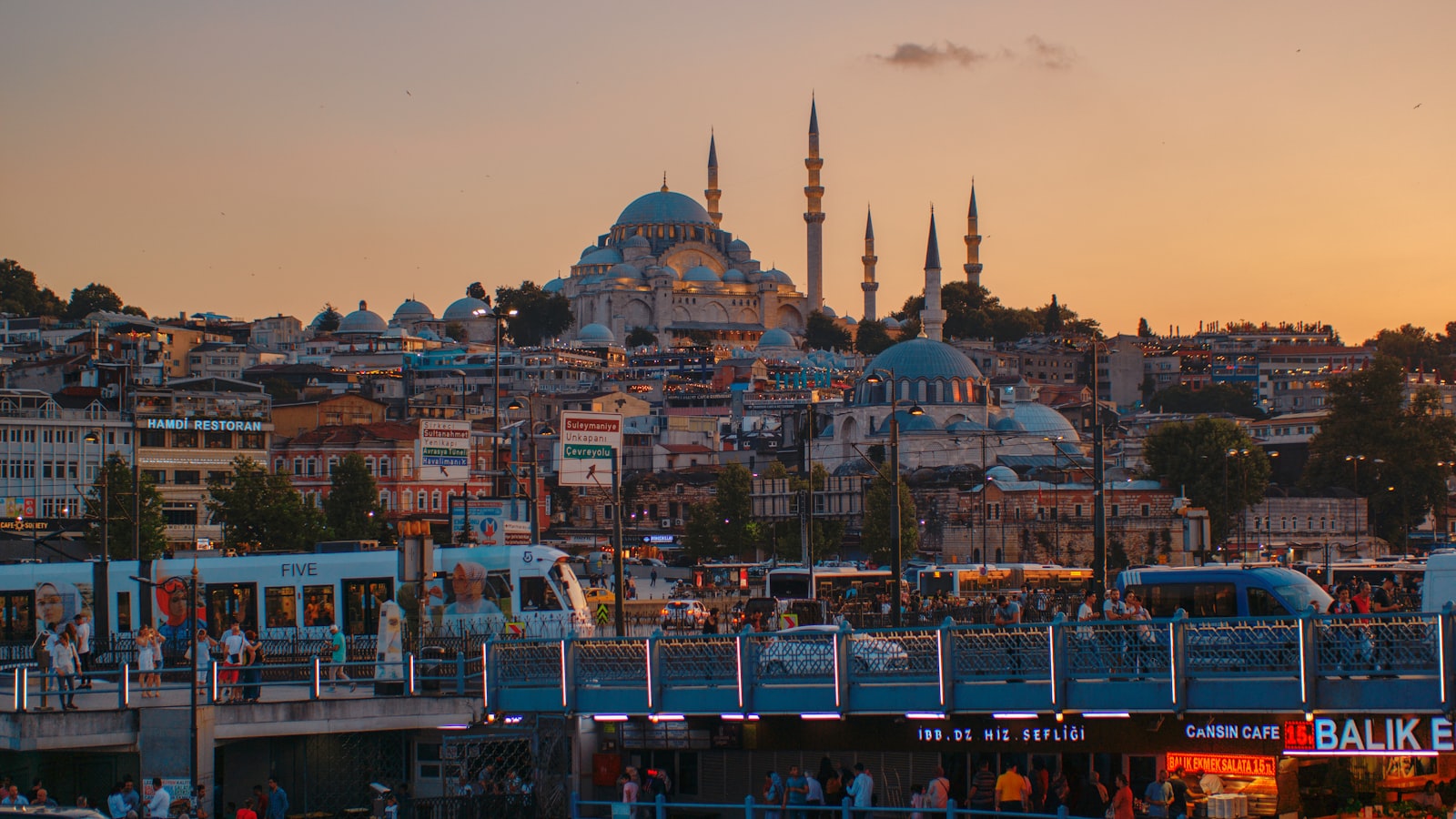
Walking through the Historic Peninsula, you will quickly realize that history in Istanbul is not locked away inside museum glass cases. It lives in the call to prayer echoing off dome tops, the soft worn carpets of ancient sanctuaries, and the quiet rhythm of daily life. As you step out of Yasmak Sultan Hotel and wander down the historic streets of Sultanahmet, you are surrounded by centuries of spiritual and architectural heritage. These iconic mosques are not merely tourist attractions; they are active, breathing houses of prayer that welcome neighbors and global travelers alike with open doors.
Visiting an active place of worship in a foreign country can sometimes feel daunting if you are unsure of local customs. However, with a few practical tips and a heart open to understanding, visiting Istanbul’s grand mosques becomes one of the most serene and memorable parts of your journey. Here is a thoughtful guide to help you navigate these holy spaces with grace, comfort, and deep respect.
Understanding the Significance of These Sacred Spaces
To truly appreciate the grand mosques of the Old City, it helps to understand what they represent to the people who gather there every day. In Ottoman and Islamic tradition, a major mosque—often built as part of a larger complex called a külliye—was far more than a hall for daily prayer. It served as the beating heart of neighborhood life, surrounded by soup kitchens, libraries, schools, and bathhouses.
When you stand beneath a massive central dome, you are witnessing an extraordinary blend of engineering, artistic expression, and faith. The grand domes were constructed to evoke the vastness of the heavens, while the intricate tilework and hand-painted calligraphy inside reflect deep artistic devotion. The acoustics inside these vast halls are specially designed so that the voice of the imam reaches every corner naturally, creating an atmosphere of calm unity.
Remembering that people come to these sacred spaces to seek peace, reflect, and connect with their faith helps frame your entire visit. You are not just stepping into a historic building; you are sharing a living moment with a community that has gathered here for generations.
The Dress Code Rules to Follow
Because these mosques are active places of worship, modest dress is required for all visitors, regardless of background. Following the dress code is a simple and meaningful way to show respect for local customs and fellow visitors.
For both men and women, clothing should cover the shoulders and knees. Loose-fitting attire is recommended, especially since you will be removing your shoes and walking on soft carpeted floors. Trousers, long skirts, or dresses that fall below the knee are ideal choices for a comfortable and respectful visit.
Women are also required to cover their hair before entering the mosque interior. Carrying a light scarf in your day bag makes it easy to slip it over your head whenever you decide to visit a sanctuary. If you happen to arrive unprepared, most major historic mosques have courteous attendants at the visitor entrance who can provide clean body wraps and headscarves free of charge.
Before stepping onto the main carpeted floor, everyone must remove their footwear. You will find wooden shoe racks at the entrance where you can leave your shoes, or you can carry them with you in a small plastic bag provided at the door. Wearing clean socks makes walking across the soft, sprawling carpets comfortable and effortless.
Respectful Behavior and Photography Guidelines
Inside the mosque, the atmosphere is quiet, contemplative, and gentle. To maintain this peaceful environment, keeping your voice to a quiet whisper helps preserve the calm mood for everyone present. If you are visiting as a family, holding young children by the hand and explaining the quiet nature of the space beforehand helps them appreciate the experience too.
When worshippers are praying, it is customary to avoid walking directly in front of them or standing too close. You will notice clear boundaries or low wooden partitions separating visitor walkways from dedicated prayer zones, particularly in world-famous landmarks like the Blue Mosque. Staying within designated visitor areas ensures that everyone can pray and reflect in peace.
Photography is generally allowed inside most historic mosques, provided you turn off your camera flash. Flash lighting can be disruptive to worshippers and can compromise the preservation of delicate hand-painted tiles and murals over time. Avoid taking close-up photos of individuals while they are praying or performing ritual ablutions at the courtyard fountains. Focusing your lens on the grand architectural lines, stained-glass windows, and vaulted ceilings will allow you to capture stunning memories without invading anyone’s personal privacy. If you want to document your time exploring the cobblestone alleys and grand facades, booking an Old City video shoot outside prayer times offers a wonderful way to capture your journey naturally against the historic cityscape.
Best Hours for a Peaceful Visit
Muslims pray five times a day, aligned with the position of the sun: dawn, midday, mid-afternoon, sunset, and nightfall. The exact times shift slightly every day throughout the year. During prayer times, non-worshipping visitors are kindly asked to step outside or wait in designated areas for approximately 30 to 45 minutes until the communal service concludes.
To enjoy the most peaceful experience, plan your visits during the windows between prayer times. The best stretch for quiet exploration is typically mid-morning—between nine in the morning and the midday prayer call. Another excellent window occurs in the mid-afternoon, after the afternoon prayer finishes and before sunset approaches. Friday is the holy day of the week, and mosques become especially busy around midday for the weekly Friday sermon; planning your main visits on other days of the week ensures a much more relaxed pace.
After a morning spent exploring magnificent sanctuaries and admiring centuries of artistic detail, taking time to rest and process what you have seen is part of a fulfilling travel day. Sitting down for a peaceful meal at Olive Anatolian Restaurant allows you to enjoy freshly prepared regional specialties, including thoughtful vegetarian and vegan options, while gazing out across the historic rooftop skyline of Sultanahmet.
Taking time to understand local etiquette turns a simple sightseeing stop into a rich cultural connection. As you walk back to Yasmak Sultan Hotel through the glowing afternoon light, you will carry with you not only beautiful photos, but a genuine feeling of warmth, welcome, and quiet wonder.
Photo: Ibrahim Uzun — Unsplash