


Walking around the Historic Peninsula brings shorter ticket lines and crisp morning air during winter, contrasting with vibrant floral displays, warmer temperatures, and higher pedestrian traffic throughout spring. While historical monuments like Hagia Sophia remain open year-round, winter offers quiet stone corridors and effortless street navigation, whereas spring transforms neighborhood parks into colorful outdoor spaces suitable for extended walking tours.
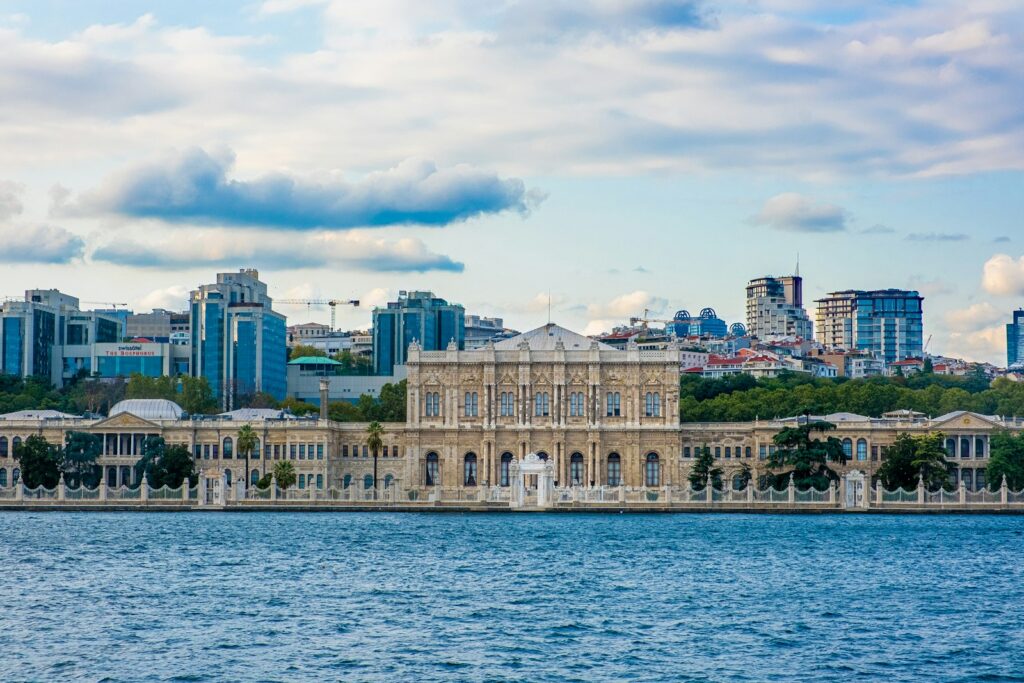
Winter Sightseeing: Shorter Lines at Hagia Sophia and Topkapi Palace
Visiting Sultanahmet in winter significantly reduces waiting times at major historical landmarks like Hagia Sophia and Topkapi Palace compared to peak summer months. During the cooler months between December and February, daytime temperatures usually hover around 6°C to 10°C, bringing a calm pace to the cobblestone streets of the Old City. You can walk from Ebusuud Street up toward Sultanahmet Square in under ten minutes without navigating through dense tourist crowds. Entering Hagia Sophia during early morning hours allows you to appreciate its carpeted prayer floor, soaring central dome, and historic wall mosaics in relative quiet.
Because Hagia Sophia functions as an active place of worship, modest dress is required for all visitors, and shoes must be removed before entering the carpeted area. Bringing warm socks makes walking across the floor comfortable during chilly winter mornings. Official opening hours and visiting guidelines for religious monuments can shift periodically, so checking current schedules before setting out is recommended.
A short walk across the square brings you to the grand courtyards of Topkapi Palace. In winter, queue lengths for the Imperial Treasury and the Harem section are visibly reduced, giving you ample space to examine historical artifacts, royal robes, and intricate Iznik tiles at an unhurried pace. If you are organizing a multi-day visit to the Old City, following structured daily plans helps you seamlessly connect major indoor sites like the palace and the Basilica Cistern with covered shopping areas like the Grand Bazaar. Visitors who wish to immerse themselves further in imperial culture can also look to our sister property, Hotel Sultania, which reflects classical Ottoman palace elegance in its design.
Spring Route: A 5-Minute Walk to Gulhane Park Tulip Displays
Spring in the Historic Peninsula turns Gulhane Park into a vibrant display of thousands of blooming tulips located just a 5-minute walk from Ebusuud Street. As temperatures warm to between 15°C and 20°C during April, the annual Istanbul Tulip Festival fills public parks with intricate floral designs, transforming the ancient grounds into a lively outdoor destination.
Walking out from Yasmak Sultan Hotel and heading east leads you directly to the lower entrance of Gulhane Park, historically used as the outer royal gardens of Topkapi Palace. Tree-lined avenues, stone fountains, and wide grassy lawns offer an ideal environment for morning strolls. As you walk toward the northern edge of the park, the pathway opens up to elevated views of the Bosphorus Strait and the mouth of the Golden Horn, where ferry traffic crosses between the European and Asian shores.
From the park exit, continuing downhill toward the waterfront takes you to the Spice Bazaar and the Eminonu ferry docks in approximately ten minutes. To plan your walking routes effectively around nearby monuments, reviewing hotel location details will clarify walking times and transit options. For travelers looking to cross the Galata Bridge into Beyoglu to explore modern art galleries and contemporary culture, our sister venue The Soul Hotel provides a stylish home base in the heart of the artistic district.
Warming Up After Cold Walks: Sultan Spa Bath Rituals
Traditional Turkish bath rituals at Sultan Spa provide a warm, restorative indoor experience after exploring cold marble monuments during winter months. Stepping into the spa facilities after a crisp day of sightseeing allows you to rest on the *gobektasi*, a central heated marble slab designed to warm the body and relax tired muscles.
The traditional hamam treatment includes a thorough body exfoliation using a textured silk mitt called a *kese*, followed by an invigorating soap foam massage administered by an experienced bath attendant. Hammam culture in Istanbul traditionally uses dedicated time slots or separate sections to guarantee comfort and privacy for every guest. Visiting a traditional spa environment offers a authentic connection to historic Ottoman bathing customs that have existed in the city for centuries.
In addition to the wellness center inside Yasmak Sultan Hotel, historic neighborhood baths like Cagaloglu Hamam are located just four minutes away on foot along Ebusuud Street. If you are traveling with a partner and planning relaxing afternoons after sightseeing, checking our romantic walking routes offers ideas for combining local walks with pampering spa visits. Couples seeking a dedicated romantic getaway or honeymoon atmosphere can also visit our sister establishment, Romance Istanbul Hotel, which specializes in romantic services and spa amenities.
Indoor Rooftop Dining at Olive Anatolian Restaurant
Olive Anatolian Restaurant offers an enclosed glass-paneled rooftop dining area on Ebusuud Street, allowing you to enjoy views of Hagia Sophia and the Bosphorus in heated comfort. Positioned on the top floor of the hotel, this dining venue provides wide views of Old City landmarks regardless of whether you encounter winter rainfall or spring sunshine.
Hotel guests begin their day here with a generous breakfast buffet overlooking the historic skyline. For lunch and dinner, the kitchen prepares classic Anatolian dishes using regional ingredients, featuring slow-roasted meats, fresh seafood, and rich olive oil preparations. The glass enclosure keeps the space comfortable during chilly months, while open-air seating becomes available as warm spring weather arrives.
If you prefer plant-based dining, the menu includes authentic regional vegetarian and vegan courses prepared with lentils, eggplants, wild greens, and cold-pressed olive oils. Reading about plant-based options shows how Anatolian culinary traditions naturally cater to diverse dietary preferences. To secure a table with landmark views, you can book directly through our rooftop dining venue page or check menu updates at Olive Anatolian Restaurant.
Practical Seasonal Planning and Footwear Tips
Preparing for seasonal weather variations in Sultanahmet requires durable walking shoes and layered clothing suitable for stone pavements and sudden rain showers. The streets surrounding major monuments feature centuries-old stone paving, stone steps, and subtle inclines that demand supportive footwear.
In winter, damp cobblestones can be slippery, so rubber-soled shoes with firm traction are strongly recommended. Spring days bring variable coastal weather where morning sunshine can give way to cool sea breezes along the Bosphorus. Dressing in adaptable layers allows you to adjust quickly as you move between warm museum interiors and outdoor sights.
As highlighted by the Yasmak Sultan Hotel team, choosing a central base in Sirkeci allows you to step back into your room during the day to shed heavy coats, change damp footwear, or store shopping bags before continuing your itinerary. The nearby Gulhane tram stop, located two minutes from the front entrance on foot, connects you easily to the Grand Bazaar or across the Golden Horn whenever you want to rest your feet.
| Season | Average Weather | Crowd Levels | Key Seasonal Highlight |
|---|---|---|---|
| Winter (Dec – Feb) | 6°C to 10°C, rainy spells | Low (shorter queues) | Quiet museum halls and warm hamam sessions |
| Spring (Mar – May) | 15°C to 20°C, mild breezes | Moderate (growing) | Gulhane Park tulips and outdoor rooftop dining |
Whether you choose the tranquil, brisk atmosphere of winter sightseeing or the blooming floral streets of spring, exploring the Historic Peninsula on foot reveals the authentic character of Istanbul. Plan your daily walks around comfortable footwear, adjust your pace to the season, and enjoy the rich historical layers of Sultanahmet at your own speed.
Frequently Asked Questions
What is the best time of year to visit Hagia Sophia with shorter lines?
Winter months between December and February offer the shortest waiting times at Hagia Sophia. Visiting early in the morning right at opening or during late afternoon hours provides the quietest experience.
How far is Gulhane Park from Yasmak Sultan Hotel?
Gulhane Park is located approximately a five-minute walk from Yasmak Sultan Hotel. Simply walk east along Ebusuud Street toward the outer wall grounds of Topkapi Palace.
Are historical sites in Sultanahmet open during the winter season?
Yes, major historical sites in Sultanahmet including Hagia Sophia, Topkapi Palace, and the Basilica Cistern remain open to international tourists throughout the winter season.
Does Olive Anatolian Restaurant serve vegan options during winter and spring?
Yes, Olive Anatolian Restaurant offers dedicated vegan and vegetarian menus year-round, featuring traditional Anatolian recipes made with olive oil, legumes, fresh vegetables, and regional spices.
What should I wear when visiting mosques in Sultanahmet during colder months?
Wear modest clothing that covers shoulders and knees, and bring a warm pair of socks since shoes must be removed before walking onto the carpeted floors of active mosques.
Is Cagaloglu Hamam within walking distance of the hotel?
Yes, Cagaloglu Hamam is located approximately four minutes away on foot from Yasmak Sultan Hotel, making it very convenient for guests seeking a historic Turkish bath experience.
What are the standard check-in and check-out times at Yasmak Sultan Hotel?
Check-in at Yasmak Sultan Hotel starts from 14:00, and check-out is available until 12:00 noon. Front desk staff can assist guests in English, Turkish, and Russian.
How do I travel from the hotel to the Spice Bazaar on foot?
You can walk to the Spice Bazaar in about ten minutes by following the downhill street past Sirkeci toward the Eminonu waterfront near the Golden Horn.
Photo: Berkin Üregen — Unsplash
