


You can experience authentic Turkish coffee brewed over heated sand along Ebusuud Street in Sirkeci and inside historic courtyards near Sultanahmet Square, just a four-minute walk from Yasmak Sultan Hotel. The method relies on a shallow metal tray filled with hot sand, providing surrounding thermal energy to lift thick foam to the top of a small copper pot.
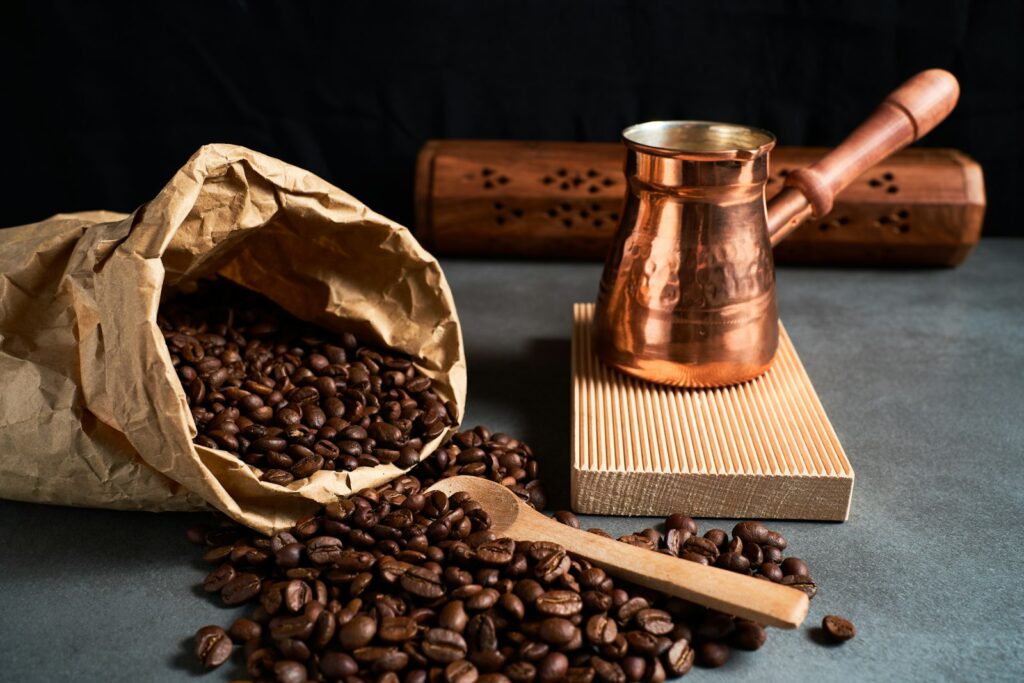
Sand-Brewing Technique vs Copper Pot Stovetop Preparation
Sand-brewing cooks finely ground coffee beans by immersing a long-handled copper pot into a pan filled with heated quartz or river sand, whereas stovetop preparation relies on direct open flame under a pot. When brewing in hot sand, thermal energy envelops the copper vessel on all sides rather than heating solely from the bottom. This surrounding heat distribution allows for precise temperature regulation, ensuring that the liquid heats gradually without scorching the ground coffee beans.
In a standard stovetop setup, heat concentrates at the base of the brass or copper pot, known as a cezve. If the burner flame is too high, the coffee grounds overheat quickly, which can create a sharp or bitter finish. Sand brewing gives the artisan complete physical control over the extraction process. By sliding the cezve deeper into the sand tray, the temperature increases immediately; by shifting it toward the outer edge of the pan, the heat drops. As the water warms, thick foam rises toward the rim. The barista lifts the pot out of the sand, lets the foam settle briefly, and repeats the immersion two or three times to achieve a dense crema.
This sand-brewing technique produces a full-bodied beverage with microscopic grounds suspended in liquid, which gradually settle to the bottom of your demitasse cup over two minutes. You will find that sand-brewed coffee maintains a lower, smoother acidity compared to fast flame heating. If you want to dive deeper into Anatolian culinary practices during your visit, you can learn classic regional recipes through a cooking class in Turkish cuisine offered locally.
Gulhane Park Tea Shade: Ordering Rize Black Tea by the Glass
Ordering Rize black tea in Gulhane Park involves asking for a tulip-shaped glass filled from a dual-tiered kettle known as a çaydanlık. Located directly adjacent to Topkapi Palace and only a three-minute stroll from Ebusuud Street, this historic park features open-air tea gardens set beneath mature plane trees. When you sit down at one of the outdoor wooden tables, tea servers carry stainless steel trays holding clear, curved glasses known as ince belli.
The tea leaves served throughout Istanbul originate from Rize, a province along the Black Sea coast known for steep hillside farms and abundant rain. To prepare the brew, plain water boils in the large bottom pot while dry leaves steep in hot water within the smaller top pot. When placing an order, you can specify your preferred strength across three standard levels:
- Açık (Light): Prepared with a smaller proportion of tea concentrate topped up with boiling water, yielding a golden color and mild tannin strength.
- Tavşankanı (Medium / Standard): Translating literally to “rabbit’s blood,” this classic deep-red shade balances robust flavor with a smooth finish.
- Koyu or Koyu Demli (Dark / Strong): Features a higher proportion of concentrated brew for those who prefer a strong, bitter kick.
Your glass arrives on a small porcelain saucer accompanied by two sugar cubes and a tiny brass or stainless spoon. Hold the glass by its upper glass rim to avoid burning your fingertips, dissolve your preferred amount of sugar, and enjoy the drink while watching daily life move along the paved park paths toward the Bosphorus Strait shoreline.
Ordering Etiquette: Specifying Sugar Levels in Turkish Coffee
Specifying sugar levels when ordering Turkish coffee requires stating your sweet preference before the brewing process starts, because sugar is never added after the drink enters your cup. Since the extra-fine coffee grounds remain inside the pot during heating and settle at the bottom of the cup, stirring sugar into a poured cup would disturb the sediment and ruin the velvety texture.
When you place an order at a cafe or traditional coffee house, use one of the four standard Turkish terms to indicate your choice:
- Sade (Plain / Unsweetened): No sugar is added to the pot. This option highlights the raw roast profile, natural bitterness, and subtle chocolate or nutty notes of the coffee bean.
- Az Şekerli (Slightly Sweet): Brewed with approximately half a teaspoon of sugar per cup, softening the bitter edge while keeping the roast flavor prominent.
- Orta (Medium Sweet): The most popular preference across the Historical Peninsula, prepared with one full teaspoon of sugar per cup to achieve a balanced flavor profile.
- Şekerli (Very Sweet): Crafted with two full teaspoons of sugar per cup, yielding a rich, dessert-like beverage for visitors who prefer strong sweetness.
As noted by the Yasmak Sultan Hotel team, following simple customs makes the tasting experience more enjoyable. Allow your served cup to sit untouched for ninety seconds so the fine grounds settle at the base. Drink a small sip from the glass of cool water provided on your tray before taking your first coffee sip to cleanse your palate. Avoid drinking the final dense layer of sediment left at the bottom of the cup.
Rooftop Coffee Pairings at Olive Anatolian Restaurant
Rooftop coffee pairings at Olive Anatolian Restaurant bring together single-origin Turkish coffee, traditional sweets, and elevated views of Hagia Sophia and the Bosphorus Strait. Situated on the top floor of Yasmak Sultan Hotel in Sirkeci, this restaurant offers guests a comfortable vantage point over the Old City skyline.
After spending your day exploring nearby historical landmarks, you can check what time is breakfast served or reserve an evening table on the terrace to enjoy a hot beverage paired with Turkish delight or pistachio baklava. For culinary travelers who follow plant-based dining habits, the kitchen features separate vegan and vegetarian menu options across all meal times.
To enjoy a memorable sunset in the Historic Peninsula, reserve a table at Olive Anatolian Restaurant. You can watch the evening ferries cross the waters toward Eminonu while enjoying a freshly brewed cup of coffee served in traditional ceramics. If your travels lean strongly toward Ottoman heritage, architecture, and historic atmosphere, you can also consider sister properties like Hotel Sultania for your lodging needs in the neighborhood.
Exploring Traditional Coffee and Tea Trails Around Sirkeci
Exploring traditional coffee and tea trails around Sirkeci allows you to sample historic cafes situated between Gulhane Park and the Spice Bazaar within a ten-minute walk. Starting from Ebusuud Street, you can stroll along cobblestone streets lined with late Ottoman buildings, stone arches, and historic storefronts.
A brief four-minute walk from the hotel leads past Cagaloglu Hamam, an 18th-century bathhouse where traditional wellness rituals continue today. Walking further downhill toward the waterfront brings you directly to the Spice Bazaar in about ten minutes, where specialty coffee merchants roast and grind whole beans throughout the day. The smell of freshly roasted coffee fills the surrounding market corridors.
Along these pedestrian routes, look for traditional cafes that feature hot sand pans right on their counter fronts. These setups allow you to watch baristas move small copper pots through hot sand trays in real time. Grabbing a stool at an outdoor table offers an ideal spot to absorb local coffee culture while resting between museum visits.
| Beverage Type | Preparation Method | Key Serving Location | Best Time to Visit |
|---|---|---|---|
| Sand-Brewed Turkish Coffee | Heated quartz sand bath using a copper cezve | Sirkeci & Ebusuud Street cafes | Mid-afternoon (14:00 – 16:00) |
| Rize Black Tea (Çay) | Dual kettle steam brewing (çaydanlık) | Gulhane Park Outdoor Gardens | Late morning or early evening |
| Rooftop Coffee & Sweets | Traditional copper brew paired with Turkish delight | Olive Anatolian Restaurant | Sunset hour |
| Fresh Ground Coffee Beans | Industrial stone mill grinding | Spice Bazaar Entrance (Eminonu) | Morning (09:00 – 11:00) |
Experiencing hot beverage culture across Sultanahmet provides a direct connection to centuries of hospitality in Istanbul. Whether you choose to sip dark tea under the plane trees of Gulhane or watch foam rise in a sand pan along Ebusuud Street, these simple daily rituals create memorable moments during your stay in the Historical Peninsula.
Frequently Asked Questions
Where can travelers find sand-brewed Turkish coffee near Sultanahmet?
You can find authentic sand-brewed Turkish coffee along Ebusuud Street in Sirkeci and inside historic courtyards surrounding Sultanahmet Square. Several local cafes near Gulhane Park offer sand brewing right on their front counters, just a 3-minute to 5-minute walk from Yasmak Sultan Hotel.
How does sand-brewed coffee differ from regular stovetop preparation?
Sand brewing surrounds the entire copper pot with even heat from hot quartz sand, rather than heating solely from the bottom over an open flame. This gentle extraction process prevents the grounds from burning and produces a thicker, silkier foam and smooth flavor profile.
How do you specify sugar levels when ordering Turkish coffee?
You must specify sugar before brewing begins. Tell your waiter 'Sade' for no sugar, 'Az Şekerli' for slightly sweet, 'Orta' for medium sweet, or 'Şekerli' for very sweet. Sugar is never added after the coffee is poured into the cup.
What is the traditional way to order black tea in Gulhane Park?
In Gulhane Park, tea is served in tulip-shaped glasses on small saucers. You can order it 'Açık' for a lighter brew, 'Tavşankanı' for standard medium strength, or 'Koyu' for a strong, dark cup. It arrives with sugar cubes and a small stirring spoon.
Where can you enjoy Turkish coffee with a view of Hagia Sophia?
You can enjoy traditional Turkish coffee paired with local sweets on the top floor of Yasmak Sultan Hotel at Olive Anatolian Restaurant. The venue offers panoramic views of Hagia Sophia, Sultanahmet Square, and the Bosphorus Strait alongside full vegan and vegetarian menu options.
How far is Cagaloglu Hamam and Spice Bazaar from the Sirkeci hotel area?
Cagaloglu Hamam is located about four minutes away on foot from Ebusuud Street. Continuing downhill past the bathhouse leads you to the historic Spice Bazaar and Eminonu ferry piers in approximately ten minutes.
Can you buy fresh ground Turkish coffee beans near Gulhane?
Yes, historic coffee purveyors around the Spice Bazaar and Sirkeci train station grind fresh Arabica beans daily. Walking ten minutes downhill from Ebusuud Street brings you directly to market stalls where coffee is roasted and sealed in foil packages.
What check-in times and languages are available at Yasmak Sultan Hotel?
Check-in at Yasmak Sultan Hotel starts from 14:00 and check-out is available until 12:00. The hotel reception team assists international travelers in English, Turkish, and Russian, and can arrange private airport transfer services upon request.
Photo: Ricardo Díaz — Unsplash
