


The most effective strategy for finding genuine Turkish handicrafts inside the Grand Bazaar without getting overwhelmed is entering early through Nuruosmaniye Gate, navigating directly toward specialized artisan courtyards like Zincirli Han, inspecting physical construction markers on silk and ceramics, and maintaining structured rest breaks. Planning your market route around objective authenticity tests and scheduled dining stops ensures a calm, efficient shopping trip across the complex’s 60 covered streets.
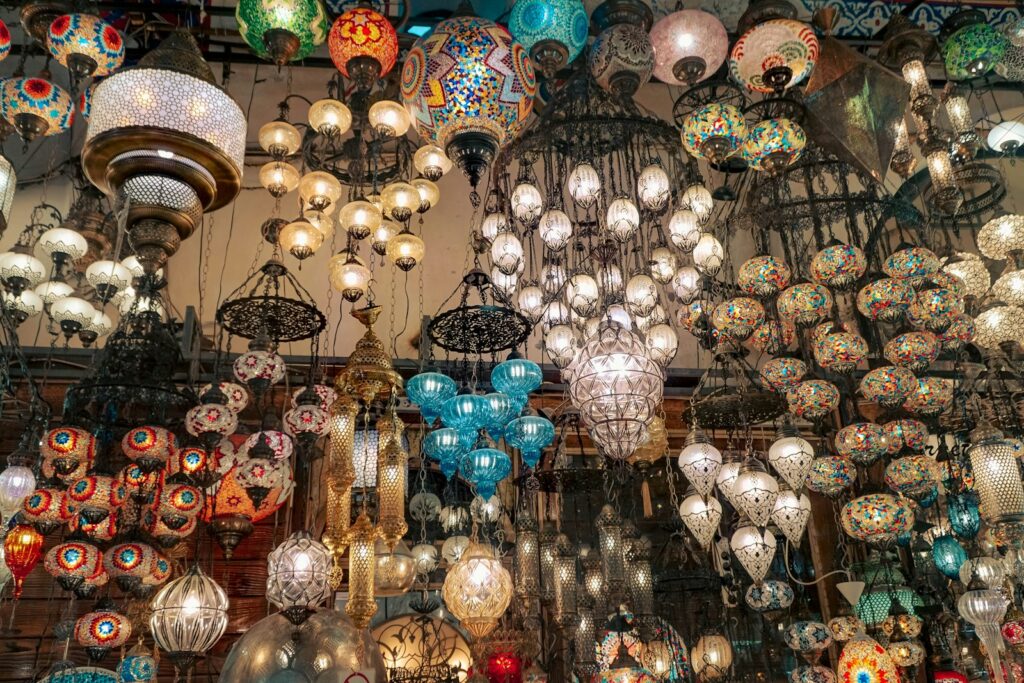
Entering Through Nuruosmaniye Gate to Avoid Peak Morning Crowds
Entering the Grand Bazaar through Nuruosmaniye Gate around 08:30 to 09:00 allows you to beat the heavy tourist group crowds and explore central thoroughfares before shopkeepers initiate high-volume sales calls. Located on the eastern perimeter near Çemberlitaş, Nuruosmaniye Gate opens directly onto Kalpakçılar Cadde, the primary illuminated gold corridor that spans the bazaar complex from east to west. Arriving during this early morning window provides clear walking space and quiet light for examining store displays.
Starting from Yasmak Sultan Hotel on Ebusuud Street in Sirkeci, you can reach Nuruosmaniye Gate on foot in approximately 12 to 15 minutes by walking uphill along Bab-ı Ali Street toward Çemberlitaş. Alternatively, you can board the T1 tram line at the Gülhane stop, travel two stops uphill to Çemberlitaş, and reach the gate within a two-minute walk. Starting your outing early gives you room to orient yourself before the covered passages fill with afternoon foot traffic.
Once inside Nuruosmaniye Gate, step off Kalpakçılar Cadde and head into the historic hans (merchant inns) constructed during the 15th and 18th centuries. Two-story stone arcades such as Zincirli Han house master artisans who work on hand-loomed textiles, copperware, and custom jewelry away from noisy main corridors. Exploring these perimeter courtyards early in the morning lets you observe craftspeople at work, ask detailed technical questions, and examine material quality under natural sunlight.
Built originally in 1461 under Sultan Mehmed II, the Grand Bazaar contains over 4,000 active shops arranged by traditional trade guilds. Central historic sections like the Cevahir Bedesten house antique dealers and specialized metalworkers, while the Sandal Bedesten features fine woven fabrics. By focusing your morning route on specific hans rather than wandering broad corridors randomly, you eliminate wasted steps and protect yourself from crowd fatigue.
Recognizing Hand-Woven Silk Carpets and Authentic Iznik Ceramic Patterns
You can identify authentic hand-woven silk carpets by inspecting for tight double-knot construction, a pure silk warp and weft, and a distinct visual color shift when the pile is viewed from opposite angles. Genuine Hereke silk carpets feature high knot density, often exceeding 100 knots per square centimeter, which creates sharp geometric lines and smooth botanical curves. Examining carpet backing under strong light reveals whether the item was knotted by hand or produced on a power loom.
To confirm that a textile is genuine mulberry silk rather than synthetic rayon or mercerized cotton, ask the merchant to demonstrate a simple burn test on a loose fringe thread. Pure silk thread burns slowly, emits an organic odor similar to charred hair, and leaves behind a soft, crushable ash residue. Synthetic fibers melt quickly into a hard plastic bead and produce a sharp chemical smell. Turning the carpet over provides another proof point: genuine hand-knotted pieces display a clear pattern on the back with slight natural variations in knot alignment.
For authentic Iznik ceramics, distinguish genuine quartz-based pottery from mass-produced earthenware by checking glaze texture, material weight, and pigment depth. Historic Iznik ceramics contain up to 85 percent ground quartz, making the finished piece heavier and noticeably cooler to the touch than standard red clay pottery. Look for raised coral red glaze, known historically as Kabartma red, which forms a subtle three-dimensional relief beneath a smooth, lead-free top coat. Hand-painted ceramic tiles and bowls display microscopic line variations, whereas factory transfer prints present flat, identical patterns.
When inspecting high-grade leather garments along Kürkçüler Street, focus on leather grain and interior stitching rather than brand labels. Authentic Turkish lambskin feels warm, flexible, and soft, displaying fine natural pore structures across its surface. Press your thumb firmly into the leather surface; genuine skin wrinkles temporarily around the pressure point and smooths out immediately, while synthetic materials resist pressure and show an artificial shine. Reliable shops in the bazaar allow you to inspect internal linings, hardware stitching, and custom alteration options before purchase.
Comparing Grand Bazaar Handicrafts and Verification Standards
The table below summarizes key craft categories inside the Grand Bazaar, detailing primary courtyard locations, concrete authenticity markers, and practical buying strategies for visitors.
| Craft Category | Primary Location | Authenticity Markers | Buying Strategy |
|---|---|---|---|
| Silk Carpets | Zincirli Han & Inner Courtyards | Double-knot weave, visual color shift, organic hair burn test | Verify knot density per cm; request written origin details |
| Iznik Quartz Ceramics | Sahaflar & Nuruosmaniye Alleys | Cool quartz weight, raised coral red glaze, unique brush marks | Avoid identical printed sets; check underside unglazed body |
| Lambskin & Leather | Kürkçüler Street | Natural surface wrinkling under pressure, supple texture | Test zipper hardware; arrange custom alterations on-site |
| Hand-Hammered Copper | Bakırcılar Cadde | Visible hammer facets, heavy solid weight, thick tin lining | Confirm food-safe tin lining; test handle weld joint strength |
Polite Bargaining Tactics and Cash Payments in Turkish Lira
Effective bargaining in the Grand Bazaar relies on starting counter-offers at roughly 60 to 70 percent of the initial asking price while conducting negotiations politely over a cup of offered tea. Bargaining is a traditional social interaction in Turkish commerce rather than a tense confrontation. Accepting a glass of black tea or apple tea from a merchant is a standard courtesy that signals respect without creating a legal or moral obligation to complete a purchase.
To achieve fair pricing on fine carpets, ceramics, or tailored leather coats, maintain a structured negotiation sequence:
- Research baseline values early: Visit two or three independent shops across different hans to establish market prices for comparable material grades before expressing firm interest.
- Maintain calm body language: Avoid showing immediate excitement over a specific rug or jacket, as visible enthusiasm limits your leverage during price discussions.
- State a fair initial counter-offer: Propose an amount 30 to 40 percent below the opening price, leaving practical room for both parties to compromise.
- Pay using cash in Turkish Lira: Offering payment in cash Turkish Lira (TRY) often yields a 5 to 10 percent discount, as shopkeepers avoid credit card processing fees.
- Know when to exit: If a seller cannot match your targeted budget, thank them politely and walk away; merchants often offer their final price as you step toward the street.
When preparing your daily shopping budget, withdraw currency from official bank ATMs around Sultanahmet Square or Sirkeci rather than high-fee tourist conversion booths. The Yasmak Sultan Hotel team recommends holding smaller TRY banknotes for tipping and street purchases while keeping larger bills tucked away. If you plan to expand your cultural activities after shopping, booking interactive cooking sessions provides a hands-on way to master regional culinary techniques with expert local chefs.
Resting at Olive Anatolian Restaurant After a Four-Hour Market Walk
Ending your Grand Bazaar excursion with lunch at Olive Anatolian Restaurant provides immediate physical recovery along with panoramic rooftop views of Hagia Sophia and the Historic Peninsula skyline. Located on the top floor of the hotel on Ebusuud Street in Sirkeci, the dining venue sits a convenient ten-minute downhill walk from Nuruosmaniye Gate along the main tram corridor. Walking downhill back toward Sirkeci avoids afternoon vehicular traffic and returns you directly to quiet, comfortable surroundings.
At Olive Anatolian Restaurant, guests enjoy seasonal Anatolian recipes alongside a dedicated vegan menu with direct landmark views. You can review full menu selections on oliverestaurant.com. If you are planning your morning itinerary over coffee, checking the morning breakfast schedule helps you align your dining times with early bazaar entry hours.
For diners interested in exploring alternative historic venues nearby, reviewing options at Sultania Restaurant menu offers additional perspective on Ottoman-inspired fine dining within the Historic Peninsula. Returning to your room after a rewarding morning makes storing valuable purchases simple and secure.
Guests staying in Double/Twin Rooms, Deluxe Rooms, or the Sultan Suite Room can unpack fine textiles, relax in climate-controlled comfort, or schedule an authentic session in the hotel’s traditional Turkish bath. For travelers interested in continuing their exploration of historical market districts, following a Spice Bazaar walking route offers a seamless transition downhill toward the Eminönü waterfront and Bosphorus ferry docks.
Navigating the Grand Bazaar successfully combines morning timing, structured material checks, and relaxed negotiation manners. By entering through Nuruosmaniye Gate early, focusing on quiet artisan courtyards, paying in cash Turkish Lira, and breaking for lunch on the rooftop at Olive Anatolian Restaurant, you can collect genuine Turkish leather and silk textiles with total confidence.
Frequently Asked Questions
How far is the Grand Bazaar from Yasmak Sultan Hotel?
The Grand Bazaar is a 12 to 15-minute walk uphill from Yasmak Sultan Hotel via Bab-ı Ali Street. Alternatively, you can take the T1 tram line from Gülhane station for two stops to Çemberlitaş station, located right next to Nuruosmaniye Gate.
What is the best time of day to visit the Grand Bazaar for leather and carpets?
The optimal time to visit is between 08:30 and 10:00 in the morning when shops first open. Early morning hours feature lighter pedestrian crowds, cooler indoor temperatures, and attentive merchants ready to show fine silk carpets and leather garments.
How can I tell if a silk carpet in the Grand Bazaar is genuine?
Verify silk carpets by testing knot density, observing subtle color shifts from opposite angles, and asking for a fringe burn test. Pure silk burns slowly with an organic odor and soft ash, while synthetic fibers melt quickly into hard plastic.
Is bargaining expected when buying leather or ceramics in the Grand Bazaar?
Polite bargaining is a standard commercial practice across the Grand Bazaar. Merchants expect price negotiations, so starting counter-offers around 30 to 40 percent below the initial quote allows both sides to agree on a fair price over tea.
Do shopkeepers in the Grand Bazaar accept credit cards or cash in Turkish Lira?
Most bazaar merchants accept major international credit cards, but paying with cash in Turkish Lira frequently yields a 5 to 10 percent discount. Local cash eliminates bank processing fees and strengthens your bargaining leverage.
Where can I eat lunch near the Grand Bazaar with vegan options?
Olive Anatolian Restaurant on Ebusuud Street in Sirkeci is a ten-minute downhill walk from Nuruosmaniye Gate. It offers traditional Anatolian cuisine, a dedicated vegan menu, and rooftop views of Hagia Sophia and the Historic Peninsula.
Are custom leather alterations available inside the Grand Bazaar?
Many specialized leather shops along Kürkçüler Street offer custom tailoring and sleeve adjustments. Alterations are typically completed within 24 to 48 hours and can be delivered directly to your hotel front desk.
Can Yasmak Sultan Hotel arrange private airport transfers for carrying delicate market purchases?
The front desk team at Yasmak Sultan Hotel can coordinate private airport transfers to safely transport you and your fragile market purchases. Arranging private vehicle transport ensures delicate Iznik ceramics and heavy carpets travel without damage.
Photo: Aleksandar Popovski — Unsplash
