


Cold olive oil dishes, known in Turkish as zeytinyağlılar, originated in Ottoman palace kitchens and Mediterranean coastal regions as a technique to preserve summer produce through gentle simmering in extra virgin olive oil, lemon juice, and aromatic herbs; you can experience these authentic plant-based delicacies today across the Historic Peninsula at venues like Olive Anatolian Restaurant.
The Legacy of Zeytinyağlı in Turkish Cuisine
Turkish cold olive oil dishes developed during the Ottoman era when imperial palace cooks refined the art of simmering fresh vegetables in cold-pressed extra virgin olive oil without animal fat, serving them chilled or at room temperature to showcase their natural botanical flavors. During the sixteenth century, royal kitchen archives at Topkapı Palace documented substantial shipments of olive oil arriving in Istanbul from olive groves along the Aegean coast and Marmara shores. Imperial chefs created a specialized category of dishes called zeytinyağlılar, distinguishing vegetable-based preparations cooked in liquid plant fats from heavy hot stews prepared with butter or clarified tallow.
Unlike hot meat dishes brought directly from heavy copper stoves to the banquet table, cold olive oil dishes require a deliberate resting period after cooking. Traditional cooks cover wide copper pans with parchment paper and tight lids, allowing vegetables to braise gently in their own natural juices mixed with olive oil. As the dish cools down slowly inside the pot, extra virgin olive oil emulsifies with vegetable juices, freshly squeezed lemon juice, and a pinch of sugar. This process coats the vegetables in a light sheen that preserves moisture, texture, and flavor for days without artificial refrigeration. Ottoman palace physicians also valued these dishes for their light digestibility during hot summer months and evening feasts.
Over centuries, this refined cooking tradition expanded beyond palace walls into Istanbul households, tradesmen dining halls, and neighborhood taverns across the Historic Peninsula. Aegean trade ships regularly docked near the Eminönü waterfront, delivering barrel after barrel of cold-pressed olive oil to local markets in Sirkeci. Today, zeytinyağlı dishes remain an integral part of Turkish culinary culture, served as refreshing starters, side dishes, or light plant-based main courses. If you are fascinated by the imperial heritage and palace traditions that shaped Istanbul’s culinary scene, exploring sister properties such as Romance Istanbul Hotel provides a wonderful perspective on historic Old City hospitality.
Essential Ingredients That Define the Plant-Based Heritage
The foundation of Turkish cold olive oil cookery relies on five essential ingredients: high-quality extra virgin olive oil, sweet yellow onions, fresh lemon juice, granulated white sugar, and aromatic herbs such as dill, parsley, or mint. Extra virgin olive oil serves as both the gentle braising medium and the primary seasoning. Aegean olive oil pressed from early harvest olives provides a bright, peppery note, whereas mid-season extractions yield a rounded flavor profile that complements delicate spring vegetables without overwhelming them.
Preparation begins by sweating finely diced yellow onions in olive oil over low heat until soft and translucent rather than brown. This step extracts natural sugars from the onions without introducing dark roasted bitterness. A small pinch of sugar is added to counteract any natural bitterness in vegetables like wild artichoke bottoms, dandelion greens, or mature green beans. Freshly squeezed lemon juice introduces balanced acidity that brightens the overall taste while preserving the vibrant green and yellow colors of fresh garden produce.
Herbs and spices complete the flavor profile depending on the vegetable being cooked. Fresh sweet dill is paired with artichokes, broad beans, and zucchini, while flat-leaf parsley enhances cranberry beans and stuffed eggplants. Stuffed vegetable dishes often incorporate short-grain rice, pine nuts, dried black currants, cinnamon, and allspice. You can purchase these herbs and spices fresh daily at the Spice Bazaar, situated about ten minutes downhill on foot from Sirkeci toward the Eminönü waterfront. To learn how to balance these ingredients under professional guidance, consider participating in a hands-on cooking class in Turkish cuisine, where master instructors demonstrate traditional braising methods step by step.
Must-Try Cold Dishes from Stuffed Leaves to Artichokes
Classic Turkish cold olive oil dishes include zeytinyağlı yaprak sarması, zeytinyağlı enginar, imambayıldı, zeytinyağlı barbunya, zeytinyağlı pırasa, and fava, each offering a distinct combination of fresh garden vegetables, aromatic spices, and cold-pressed Aegean olive oil. Each dish reflects seasonal harvesting practices and slow-cooking methods designed to maximize flavor and nutritional value.
Zeytinyağlı yaprak sarması features tender grape leaves hand-rolled around a savory filling of short-grain rice, caramelized onions, pine nuts, dried currants, cinnamon, and allspice. Simmered slowly with olive oil and lemon slices, these compact rolls are served cool, balancing warm spice notes with tangy citrus acidity. Zeytinyağlı enginar presents whole peeled artichoke bottoms braised gently in citrus water with diced carrots, potatoes, green peas, and abundant dill. Imambayıldı consists of a whole roasted eggplant sliced open and stuffed with a braised mixture of sweet onions, garlic, and ripe tomatoes, slow-cooked until tender. Zeytinyağlı barbunya uses fresh cranberry beans simmered with carrots, garlic, and tomato paste, finished with raw extra virgin olive oil before serving.
Additional regional staples include zeytinyağlı pırasa, where sweet winter leeks are braised with carrots, short-grain rice, and lemon juice until soft and succulent, as well as fava, a velvety purée of dried broad beans whipped smooth with olive oil and topped with diced red onions and dill. Travelers often inquire whether Istanbul is friendly for vegetarian and vegan travelers, and the abundance of zeytinyağlı options makes the city an exceptional destination for plant-based dining. Because these traditional recipes rely entirely on olive oil and vegetable broths rather than butter or meat stocks, they offer authentic vegan meals without any modification needed.
The table below provides a quick reference guide comparing popular Turkish cold olive oil dishes, highlighting their key ingredients, dietary classification, and distinct flavor characteristics:
| Dish Name | Core Ingredients | Dietary Profile | Flavor Profile |
|---|---|---|---|
| Zeytinyağlı Yaprak Sarması | Grape leaves, rice, pine nuts, currants, cinnamon, olive oil | Vegan | Aromatic, sweet-savory, tangy citrus finish |
| Zeytinyağlı Enginar | Artichoke bottoms, green peas, carrots, potatoes, dill | Vegan | Bright, herbal, refreshing citrus undertones |
| Imambayıldı | Eggplant, caramelized onions, fresh tomatoes, garlic | Vegan | Rich, savory, melt-in-the-mouth texture |
| Zeytinyağlı Barbunya | Cranberry beans, carrots, tomatoes, garlic, extra virgin olive oil | Vegan | Hearty, earthy, subtle garlic warmth |
| Fava | Yellow split broad beans, olive oil, red onion, fresh dill | Vegan | Silky, savory, aromatic herb finish |
Dine on Authentic Vegetarian Flavors at Olive Restaurant
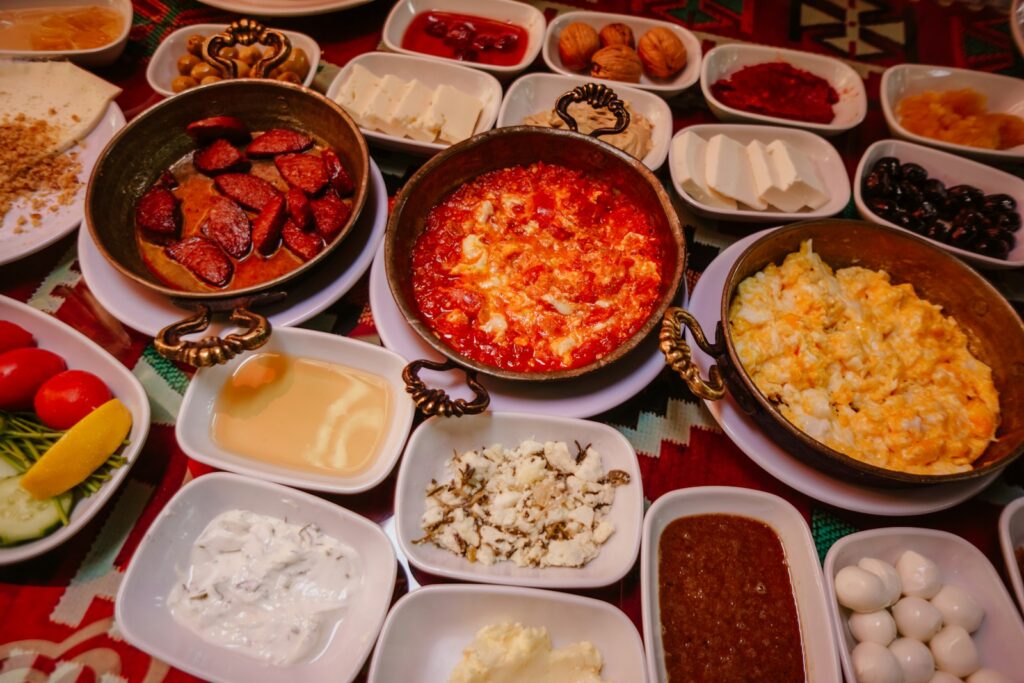
You can sample authentic plant-based olive oil delicacies in the Historic Peninsula at Olive Anatolian Restaurant, located on the rooftop of Yasmak Sultan Hotel on Ebusuud Street in Sirkeci. The restaurant offers clear rooftop vistas across the Historic Peninsula skyline, including the iconic domes of Hagia Sophia, the green expanse of Gülhane Park, and ships navigating the Bosphorus Strait. Hotel guests begin their mornings here with a rich breakfast buffet featuring cold vegetable selections, marinated local olives, artisan cheeses, and warm breads alongside tea and coffee.
For lunch or dinner, guests at Olive Restaurant can select from a curated menu featuring classical Anatolian mezze platters and dedicated vegan entrees. As noted by the Yasmak Sultan Hotel team, sampling a tasting platter of seasonal zeytinyağlı starters accompanied by warm crusty bread allows you to appreciate how high-grade olive oil extracts complex herbal notes from simple summer vegetables. If you wish to explore additional dining venues within the hotel group during your stay, you can also consider visiting Sultania Restaurant nearby. However, for a complete meal that pairs historic skyline views with refined local gastronomy, reserving a table for a rooftop dining experience on Ebusuud Street remains an unforgettable Old City culinary highlight.
After spending your afternoon wandering through world-renowned landmarks like Topkapı Palace, Basilica Cistern, and Blue Mosque, having a welcoming base in Sirkeci makes city exploration effort-free. Located at Ebusuud Cad. No:12, Yasmak Sultan Hotel sits just a two-minute walk from the Gülhane tram stop and four minutes on foot from Cağaloğlu Hamam. The hotel offers five tailored room choices, including Double / Twin Rooms, Triple Rooms, Family Rooms, Deluxe Rooms, and the Sultan Suite Room. Guests can relax at the end of the day with an authentic Turkish Hamam Experience in the hotel spa before taking the elevator upstairs for a relaxing dinner at Olive Anatolian Restaurant.
Sampling cold olive oil dishes provides a sensory journey through Anatolian history, agriculture, and hospitality. By choosing traditional plant-based recipes crafted from fresh Aegean extra virgin olive oil, you experience an authentic taste of Ottoman culinary art while enjoying modern comfort in the heart of Istanbul’s Old City.
Frequently Asked Questions
What are zeytinyağlı dishes in Turkish cuisine?
Zeytinyağlı dishes are traditional Turkish vegetable recipes cooked slowly in extra virgin olive oil, water, lemon juice, and sugar, then served cold or at room temperature. Originating in Aegean coastal regions and Ottoman palace kitchens, they rely entirely on plant fats.
Are Turkish cold olive oil dishes suitable for vegans and vegetarians?
Yes, classic zeytinyağlı dishes are naturally vegan and vegetarian because they use extra virgin olive oil rather than butter or meat broths. Dishes like stuffed grape leaves, braised artichokes, and cranberry beans offer complete plant-based meal options without altering traditional recipes.
Where can I try authentic cold olive oil dishes in Sultanahmet?
You can sample authentic zeytinyağlı delicacies at Olive Anatolian Restaurant, located on the rooftop of Yasmak Sultan Hotel in Sirkeci. The restaurant offers a dedicated vegan menu alongside sweeping views of Hagia Sophia and the Bosphorus Strait.
What is the best time of year to eat cold olive oil dishes in Istanbul?
While cold olive oil dishes are available year-round, spring and summer highlight seasonal specialties like fresh artichoke bottoms, tender pole beans, and vine leaves. During warm weather, these chilled vegetable dishes offer a light and refreshing meal option.
Which cold olive oil dish should a first-time visitor try?
First-time visitors should start with zeytinyağlı yaprak sarması (stuffed grape leaves) or imambayıldı (braised stuffed eggplant). A cold mezze tasting platter at Olive Anatolian Restaurant allows you to sample several varieties alongside fresh bread and lemon wedges.
How far is Yasmak Sultan Hotel from major Historic Peninsula landmarks?
Yasmak Sultan Hotel is located in Sirkeci, within five minutes walking distance of Hagia Sophia, Topkapı Palace, and the Basilica Cistern. Cağaloğlu Hamam is about four minutes away on foot, and the Spice Bazaar is a ten-minute walk downhill.
Can I learn how to cook Turkish olive oil dishes during my stay?
Yes, travelers can participate in hands-on Turkish cooking classes arranged through local culinary schools and specialized providers in the Old City. These courses teach guests how to balance olive oil, citrus, and spices to recreate traditional recipes at home.
Does Olive Anatolian Restaurant offer vegetarian and vegan breakfast options?
Yes, the breakfast buffet at Olive Anatolian Restaurant includes a wide selection of marinated local olives, fresh salads, cold vegetable dishes, dried fruits, and breads. Hotel guests can enjoy these plant-based options while taking in panoramic rooftop views.
Photo: Igor Sporynin — Unsplash