


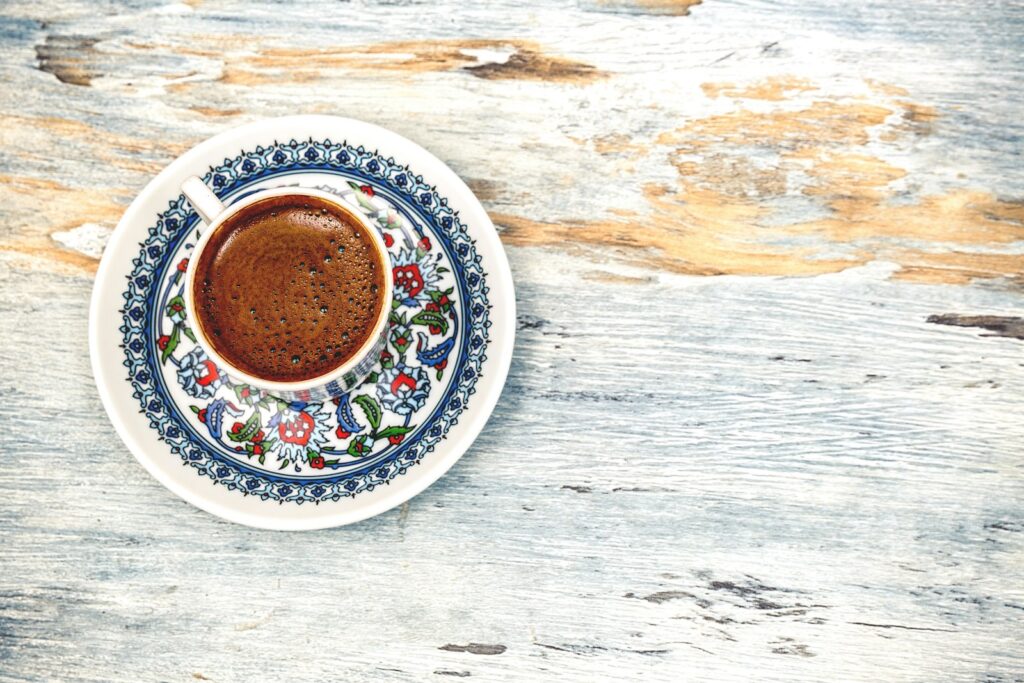
Turkish coffee is a unique cultural ritual defined by its extra-fine grind, slow brewing in a copper pot, thick layer of foam, and social fortune-telling customs. You can experience its traditional brewing methods near Sultanahmet by visiting historic coffeehouses around the Grand Bazaar or enjoying a freshly prepared cup overlooking the Historic Peninsula.
The Historic Roots of the Ottoman Coffeehouses
Ottoman coffeehouses originated in sixteenth-century Istanbul, evolving from simple beverage stalls into vibrant social hubs for intellectual debate, political discussion, poetry readings, and community gatherings. Coffee beans first arrived in the city around 1555 during the reign of Sultan Suleiman the Magnificent, brought by Ottoman governors returning from Yemen. Within decades, streetfront establishments spread throughout the Tahtakale neighborhood, situated about a ten-minute walk downhill from Sirkeci toward the Golden Horn.
These early establishments altered urban social life across the Ottoman Empire by creating public gathering spaces open to citizens of all backgrounds. Inside the imperial palaces, coffee preparation became an elaborate court art managed by specialized staff. The Sultan had an official chief coffee maker, known as the kahvecibađı, who supervised a team of trained attendants responsible for grinding roasted beans, boiling spring water in silver pots, and serving hot coffee in delicate porcelain cups held within filigree metal holders.
To explore how imperial customs influenced local hospitality, travelers can look into historic palace culture through Hotel Sultania, where traditional decorative details reflect the royal heritage of the Sultanahmet district. Understanding this centuries-old background helps modern visitors appreciate why offering a cup of coffee remains Turkey’s primary gesture of welcome and friendship today.
The Art of Slow Brewing in a Copper Cezve
Traditional Turkish coffee relies on extra-finely ground Arabica beans brewed slowly with cold water and optional sugar inside a long-handled copper pot known as a cezve. Unlike espresso or filter coffee, the finely pulverized coffee grounds remain inside the pot during the entire brewing process, creating a dense, unfiltered drink with a rich body and distinctive aroma.
The preparation process demands precise attention to heat control and timing. The brewer combines one heaped teaspoon of ground coffee per demitasse cup with cold water in the copper pot. If sugar is desired, it must be added at the start of brewing, as post-brew stirring destroys the delicate foam structure. The mixture rests over a gentle heat source, such as low gas flame, glowing charcoal embers, or a heated bed of hot sand. As the temperature rises, a thick, velvet-like layer of foam called köpük forms at the top. The brewer carefully spoons this rich foam into individual demitasse cups before bringing the liquid back to a near-boil just below the rim.
| Coffee Style | Brewing Vessel & Heat Source | Key Characteristics | Traditional Serving Accompaniment |
|---|---|---|---|
| Classic Ottoman Coffee | Copper Cezve over Low Gas Flame | Thick surface foam, medium body, rich roasted aroma | Cold water glass and Turkish delight |
| Sand-Brewed Coffee (Kumda Kahve) | Heavy Brass Cezve in Hot Sand Bed | Even heat distribution, exceptionally thick crema, smooth taste | Cold spring water and mastic gum delight |
| Dibek Coffee | Stone Mortar Ground, Copper Cezve | Coarser grind, lighter color, subtle woody notes | Water, dried fruits, and roasted chickpeas |
| Menengi’ç Coffee | Warm Milk or Water in Cezve | Caffeineless, made from roasted wild pistachio berries | Water and traditional fruit preserves |
Mastering this technique takes patience. Overheating scalds the grounds and creates bitterness, while removing the heat too quickly results in a thin liquid lacking the necessary surface foam. When served correctly, the foam insulates the liquid below, keeping the coffee hot while the heavy sediment settles naturally to the bottom of the cup.
Reading the Fortunes Hidden in Your Cup
Tasseography, known locally as coffee fortune reading or fal, is the traditional social practice of interpreting the patterns formed by dried coffee sediment left inside the cup. Once a person finishes drinking the liquid, the fine grounds remain at the base of the demitasse. The drinker places the saucer upside down over the cup, holds them tightly together, makes a mental wish, and flips the set upside down toward their chest.
The cup rests inverted on the saucer for several minutes until the ceramic cools completely. Some practitioners place a metal coin or ring on the base of the cup to draw away excess heat and speed up the cooling process. As the damp coffee slurry slides down the ceramic walls, it creates distinct shapes, lines, and symbols along the interior.
When the interpreter lifts the cup, they analyze these dark shapes against the white porcelain backdrop. Common symbols carry traditional meanings: a bird suggests incoming news, a tree indicates family strength or home stability, a straight line represents an open travel route, and a ring implies an impending celebration or partnership. Rather than predicting exact future events, this ritual serves as an engaging conversational tool, allowing friends to share advice, offer encouragement, and enjoy lighthearted storytelling together.
Where to Find Traditional Coffee Near Sultanahmet
Historic coffee venues line the ancient thoroughfare of Divan Yolu, the Grand Bazaar arcades, and the Sirkeci waterfront, placing traditional coffee stalls within minutes of major landmarks. The streets surrounding Ebusuud Cad. No:12 in Sirkeci host several long-standing coffee merchants where visitors can observe the roasting and grinding of whole beans using industrial brass mills.
Walking up toward Sultanahmet Square brings travelers past atmospheric courtyard cafes tucked inside historic medreses. Sitting on low wooden stools under shaded archways offers a glimpse into how local residents have enjoyed warm drinks for centuries. The Yasmak Sultan Hotel team routinely recommends pairing a morning stroll through Gulhane Park with a quiet pause at a traditional coffee stall near the Spice Bazaar, located approximately ten minutes downhill on foot.
Combining cultural exploration with wellness adds depth to an afternoon itinerary. After walking past the Grand Bazaar, enjoying a soothing treatment at an authentic Turkish Hamam helps unwind tired muscles. Reading our guide on How to Experience a Traditional Turkish Bath explains what to expect during a traditional bath session, after which sipping hot tea or traditional coffee helps rehydrate the body while settling into complete relaxation.
Savoring Your Coffee with a Panoramic Sultanahmet View
Enjoying a freshly prepared cup of coffee on an elevated rooftop combines authentic Anatolian flavor with sweeping views of Hagia Sophia, Topkapi Palace, and the Bosphorus Strait. The altitude offers a clear perspective over the domes and minarets of the Historic Peninsula, providing a serene environment away from the busy street traffic below.
At Olive Anatolian Restaurant, located on the top floor of Yasmak Sultan Hotel in Sirkeci, hotel guests and city visitors can pair traditional warm beverages with a comprehensive breakfast spread or regional dinner items. The venue features clear, unobstructed views of the city skyline alongside a thoughtful menu that includes a dedicated vegan and vegetarian selection. You can also explore dining options at Sultania Restaurant for complementary culinary choices in the immediate neighborhood.
Taking morning coffee on a rooftop allows you to plan your daily sightseeing route while watching ferry boats cross the Golden Horn. The calm morning atmosphere makes it easy to admire the architectural outline of Hagia Sophia before walking five minutes across Sultanahmet Square to reach the main historic sites.
Essential Etiquette for Drinking Turkish Coffee
Navigating a traditional coffee service requires knowing when to take your first sip, how to use the small glass of water, and why you should never stir the beverage once served. Understanding these subtle customs ensures a respectful and enjoyable cultural experience.
- Drink the water first: Always take a sip from the accompanying water glass before touching your coffee. This cleanses your palate, allowing you to fully appreciate the complex roasted flavors.
- Specify sugar during ordering: Indicate your preferred sweetness before brewing begins. Options include sade (no sugar), az œekerli (slightly sweet), orta (medium sweet, most popular), or œekerli (very sweet). Sugar is never added after serving.
- Allow sediment to settle: Wait one to two minutes after the demitasse is served before taking your first sip. This gives the suspension time to drop to the bottom of the cup.
- Never stir the cup: Avoid using a spoon once served, as stirring raises the heavy grounds back into the liquid, ruining the smooth texture.
- Leave the bottom slurry: Stop drinking when you reach the thick sediment at the bottom third of the cup to avoid a mouthful of gritty coffee grounds.
By following these simple guidelines, travelers can participate fully in a sensory tradition that has shaped social life across the Historic Peninsula for nearly five centuries.
Exploring Istanbul through its coffee heritage provides a memorable connection to the city’s living history. Whether sitting in a shaded courtyard near the Spice Bazaar or taking in panoramic views from a rooftop venue, every cup offers an authentic taste of Ottoman hospitality and culture.
Frequently Asked Questions
What makes Turkish coffee different from espresso or filter coffee?
Turkish coffee uses an extra-fine grind brewed directly with cold water in a copper cezve without filtration. The grounds remain in the cup, creating a dense texture, thick surface foam, and intense aroma distinct from filtered coffee.
How do I specify my sugar preference when ordering Turkish coffee?
Specify your sweetness level when placing your order because sugar is added before brewing. Choose between sade (no sugar), az şekerli (lightly sweet), orta (medium sweet), or şekerli (very sweet). Sugar is never stirred in after serving.
Why is a glass of water always served alongside Turkish coffee?
Water is served to cleanse your palate before taking your first sip of coffee, enabling you to taste the full depth of the roasted flavor. Drinking water after also helps clear lingering grounds from your mouth.
How far is Yasmak Sultan Hotel from major Sultanahmet coffee venues?
Yasmak Sultan Hotel on Ebusuud Street is within a five to ten-minute walk from historic cafes along Divan Yolu, the Grand Bazaar medreses, and the rooftop dining at Olive Anatolian Restaurant.
Can I get vegan or vegetarian options at Olive Anatolian Restaurant?
Yes, Olive Anatolian Restaurant offers a dedicated menu featuring vegan and vegetarian options alongside traditional Anatolian dishes, allowing all guests to enjoy rooftop dining with views of Hagia Sophia and the Bosphorus.
How does Turkish coffee fortune reading work?
After finishing the liquid, you place the saucer over the demitasse cup, make a wish, and flip it upside down. Once cooled, an interpreter reads the dark patterns formed by the dried grounds along the porcelain interior.
What are the official check-in and check-out times at Yasmak Sultan Hotel?
Official check-in at Yasmak Sultan Hotel begins at 14:00, and check-out is available until 12:00. The multilingual front desk team speaks English, Turkish, and Russian to assist arriving and departing guests.
Where is the best place to drink coffee with a Sultanahmet view?
Olive Anatolian Restaurant offers elevated rooftop views over Sultanahmet Square, Hagia Sophia, and the Bosphorus Strait, making it an excellent location to enjoy breakfast and traditional beverages near Sirkeci.
Photo: yucar studios — Unsplash